Vietnam has become one of the most popular travel destinations in Southeast Asia thanks to its stunning landscapes, vibrant culture, and incredibly affordable travel costs. From the limestone karsts of Ha Long Bay to the lantern-lit streets of Hoi An and the bustling markets of Ho Chi Minh City, Vietnam offers a rich travel experience for visitors of all budgets.
Many travelers planning their first trip often ask the same question: Is $1000 enough for a week in Vietnam? The short answer is yes. In fact, for most travelers, a $1000 budget can provide a comfortable and enjoyable 7-day trip, including accommodation, food, transportation, and activities. However, how far your money goes will depend on your travel style, chosen destinations, and spending habits.
In this guide, we’ll break down the typical travel costs in Vietnam and show how a $1000 budget can easily cover a memorable one-week adventure.
For most travelers, $1,000 is more than enough for a week in Vietnam. Thanks to the country’s relatively low cost of living, visitors can comfortably cover accommodation, meals, transportation, and sightseeing without exceeding this budget. In fact, many travelers are surprised by how affordable Vietnam is compared to other popular destinations in Southeast Asia.
With a budget of around $140 per day, you can stay in a comfortable mid-range hotel, enjoy authentic Vietnamese cuisine as well as international restaurants, use domestic flights or ride-hailing services to travel between cities, and still have enough to join popular tours such as a Ha Long Bay cruise, a Hoi An cooking class, or a guided excursion in Ninh Binh. Even after covering these essentials, you’ll likely have room in your budget for shopping, souvenirs, or unexpected expenses.
Is $1000 enough for a week in Vietnam?
Of course, how far $1,000 goes depends on your travel style. Backpackers who stay in hostels and eat mostly local food may spend far less, while luxury travelers staying at five-star resorts or booking private tours will naturally have higher daily expenses. Understanding your travel style is the key to estimating how much you’ll actually need for your trip.
In the following sections, we’ll explore the typical costs for different types of travelers and show exactly how a $1,000 budget can be allocated for a memorable seven-day adventure in Vietnam.
Travel Style
Estimated Budget
Best For
Backpacker
$30–50/day
$210–350 (7 days)
Travelers who prefer hostels, street food, public transportation, and authentic local experiences.
Budget Traveler
$50–80/day
$350–560 (7 days)
Private budget hotels, local restaurants, occasional tours, and comfortable city transportation.
Mid-Range Traveler
$90–140/day
$630–980 (7 days)
Comfortable 3–4 star hotels, domestic flights, guided tours, quality dining, and convenient transportation.
Luxury Traveler
$200+/day
$1,400+ (7 days)
Five-star resorts, private transfers, luxury cruises, fine dining, and exclusive travel experiences.
As the table shows, a $1,000 budget is ideal for most mid-range travelers, offering enough flexibility to enjoy quality accommodation, delicious food, comfortable transportation, and several memorable tours. Backpackers can travel for considerably less, while luxury travelers may need a larger budget if they plan to stay in high-end resorts or book private experiences. Understanding your travel style is the first step in estimating how much you’ll actually spend during your week in Vietnam.
Backpacker
A backpacker can comfortably explore Vietnam on a budget of $30–50 per day, making a $1,000 budget more than enough for a one-week trip. In fact, travelers following this style could often extend their stay for two to three weeks without overspending.
Most backpackers choose dormitories or budget hostels, where beds typically cost $8–20 per night. Meals are usually enjoyed at local restaurants or street food stalls, with popular dishes such as pho, banh mi, and bun cha costing just $2–5. Transportation is also inexpensive, thanks to sleeper buses, trains, public buses, and GrabBike rides.
This travel style is ideal for solo travelers, digital nomads, students, and long-term backpackers who prioritize authentic experiences over luxury. While accommodations and transportation may be simpler, backpackers can still visit Vietnam’s top attractions without exceeding their budget.
Mid-Range Traveler
For most international visitors, the mid-range travel style offers the best balance between comfort and affordability. With a daily budget of approximately $90–140, a total budget of $1,000 is enough to enjoy a comfortable seven-day vacation across several destinations in Vietnam.
Mid-range travelers typically stay in three- or four-star hotels, where clean, modern rooms, breakfast, Wi-Fi, and convenient locations are included. Meals often combine authentic Vietnamese cuisine with occasional international restaurants or cafés, providing a wider variety of dining experiences while remaining affordable.
Transportation usually includes Grab rides, airport transfers, and at least one domestic flight between major cities such as Hanoi, Da Nang, or Ho Chi Minh City. Many travelers also allocate part of their budget to organized experiences, including Ha Long Bay cruises, Hoi An cooking classes, Ba Na Hills excursions, or cultural city tours.
This travel style is perfect for couples, families, and first-time visitors who want a comfortable trip without paying premium prices.
Luxury Traveler
Travelers seeking a premium vacation should expect to spend $200 or more per day, meaning a $1,000 budget may only cover a short luxury stay rather than an entire week.
Luxury travelers often choose five-star hotels or beachfront resorts with spacious rooms, spa facilities, infinity pools, and personalized services. High-end accommodations in destinations such as Da Nang, Phu Quoc, or Nha Trang provide world-class comfort and exceptional hospitality.
Transportation is typically upgraded to private airport transfers, chauffeured vehicles, or business-class domestic flights, offering greater convenience throughout the journey. Dining also becomes part of the experience, with fine restaurants, rooftop bars, and premium seafood venues featuring prominently in the itinerary.
Many luxury travelers also book private tours, exclusive cruises, wellness retreats, and customized travel experiences that provide greater flexibility and privacy. While this style requires a larger budget, it offers the highest level of comfort and allows visitors to experience Vietnam through premium accommodations and personalized services.
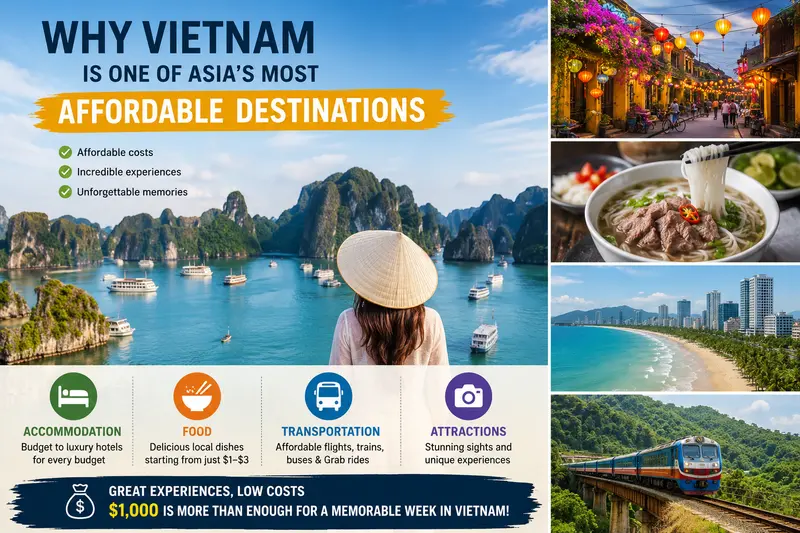
Why Vietnam Is One of Asia’s Most Affordable Destinations
Vietnam is one of the most affordable travel destinations in Asia, offering excellent value for visitors without compromising on quality. From accommodation and transportation to food and attractions, travelers can enjoy a comfortable vacation at a fraction of the cost of many other countries in the region.
Hotels range from budget hostels to luxury resorts, making it easy to find options that suit any budget. Dining is equally affordable, with delicious local dishes such as pho, banh mi, and fresh seafood available for just a few dollars. Transportation is inexpensive as well, thanks to affordable domestic flights, trains, buses, and ride-hailing services like Grab.
Why Vietnam is a top destination?
What makes Vietnam truly stand out is the combination of low travel costs and unforgettable experiences. Visitors can cruise through Ha Long Bay, explore the ancient streets of Hoi An, relax on Da Nang’s beaches, or discover the vibrant culture of Hanoi and Ho Chi Minh City without overspending.
For travelers looking to maximize their budget, Vietnam offers one of the best price-to-experience ratios in Southeast Asia. With thoughtful planning, a $1,000 budget is more than enough to enjoy a memorable week filled with great food, comfortable accommodations, and iconic attractions.
Understanding Travel Costs in Vietnam
Vietnam is widely known as one of the most budget-friendly countries to visit in Asia. Even in major tourist cities, everyday travel expenses remain relatively low compared to Western countries.
Accommodation Costs
Accommodation is often the largest expense when traveling, but Vietnam offers options for every budget.
Hostels: $8 – $20 per night
Budget hotels: $20 – $40 per night
Mid-range hotels: $40 – $80 per night
Luxury resorts: $120+ per night
If you stay in a comfortable mid-range hotel averaging around $50 per night, a 7-night stay would cost approximately $350. Travelers on a tighter budget can spend much less by choosing hostels or guesthouses.
Food and Dining
Vietnamese cuisine is not only delicious but also very affordable. Street food stalls, local markets, and casual restaurants make it easy to enjoy great meals without spending much.
Typical food costs include:
Street food meal: $2 – $5
Local restaurant meal: $5 – $10
Western-style restaurant: $10 – $20
Coffee or fresh juice: $1 – $3
On average, travelers spend around $15–$25 per day on food, meaning a week of dining could cost about $120 – $180.
Transportation Expenses
Getting around Vietnam is also very affordable thanks to a wide range of transportation options.
Common travel costs include:
Grab rides in cities: $2 – $6
Motorbike rental: $6 – $10 per day
Intercity bus: $10 – $25
Domestic flight: $40 – $100
If you plan to travel between cities, you might spend around $150 – $200 on transportation for the entire week.
Tours and Activities
Vietnam offers many affordable tours and experiences. Some of the most popular include:
Ha Long Bay day cruise: $50 – $100
Cooking class in Hoi An: $25 – $40
Trekking tour in Sapa: $30 – $70
City tours and cultural experiences: $20 – $50
Setting aside $150 – $200 for activities allows you to enjoy several memorable experiences during your trip.
Sample 7-Day Vietnam Travel Budget
To give you a clearer picture of what a $1,000 budget looks like, here’s a realistic example based on a comfortable 7-day trip through popular destinations such as Hanoi, Da Nang, and Hoi An. This sample budget assumes you’re a mid-range traveler who prefers private hotel rooms, eats a mix of local and international cuisine, joins a few guided tours, and uses a combination of domestic flights and ride-hailing services.
Accommodation – $350
Staying in a comfortable three- or four-star hotel typically costs around $50 per night. At this price, you can expect clean rooms, free Wi-Fi, breakfast, and convenient locations near major attractions.
$50 × 7 nights = $350
Food & Drinks – $140
Vietnam offers excellent food at affordable prices. A daily budget of around $20 allows you to enjoy local specialties for breakfast and lunch while treating yourself to a nice dinner or coffee in the evening.
A typical day might include:
Breakfast: $3–5
Lunch: $5–7
Dinner: $8–10
Coffee or drinks: $2–3
Estimated total: $20 × 7 days = $140
Transportation – $180
Transportation costs include getting around cities with Grab, airport transfers, and one domestic flight between major destinations. For example, a flight from Hanoi to Da Nang can often be found for under $70 when booked in advance.
Typical transportation expenses include:
Airport transfers
Grab rides
One domestic flight
Occasional taxis or buses
Estimated total:$180
Tours & Activities – $200
Setting aside around $200 allows you to experience some of Vietnam’s most popular attractions. This could include a Ha Long Bay cruise, a guided walking tour, a cooking class in Hoi An, or a day trip to Ba Na Hills.
Depending on your itinerary, this budget is usually enough for two or three organized tours plus entrance fees to museums, temples, and historical sites.
Estimated total:$200
Miscellaneous Expenses – $100
It’s always wise to leave room in your budget for unexpected expenses. This amount can cover souvenirs, snacks, laundry, bottled water, SIM cards, tips, or other small purchases throughout your trip.
Estimated total:$100
Estimated Total Cost
Category
Estimated Cost
Accommodation
$350
Food & Drinks
$140
Transportation
$180
Tours & Activities
$200
Miscellaneous
$100
Total
$970
With an estimated total of $970, you’ll still have around $30 remaining from your $1,000 budget. This extra amount provides flexibility for additional shopping, upgraded dining experiences, or unexpected travel expenses, making $1,000 a realistic and comfortable budget for a memorable week in Vietnam.
How to Travel Comfortably on a $1000 Budget
A $1,000 budget is more than enough for a comfortable week in Vietnam, especially if you plan your trip wisely. By making a few smart choices, you can reduce unnecessary expenses while still enjoying quality accommodation, delicious food, and unforgettable experiences. Here are some practical tips to help you get the most value from your budget.
Choose Affordable Destinations
Not every destination in Vietnam has the same travel costs. While major tourist hubs such as Hanoi and Ho Chi Minh City can be slightly more expensive, places like Da Nang, Hoi An, Hue, and Ninh Binh offer excellent value for money. These destinations provide affordable hotels, inexpensive local restaurants, and plenty of attractions without the higher prices often found in more crowded tourist areas. Spending more time in these cities allows you to enjoy Vietnam’s culture, nature, and cuisine while keeping your daily expenses under control.
Eat Like a Local
Food is one of the easiest ways to save money in Vietnam without sacrificing quality. Instead of dining exclusively at tourist-oriented restaurants, visit local eateries, family-run restaurants, and street food stalls where Vietnamese residents eat every day. Popular dishes such as pho, banh mi, bun cha, com tam, and fresh spring rolls typically cost only $2–5 per meal while offering authentic flavors that have made Vietnamese cuisine famous worldwide. Besides being budget-friendly, eating local is one of the best ways to experience the country’s culinary culture.
Use Ride-Hailing Apps
Transportation within Vietnamese cities is both convenient and affordable. Apps like Grab are widely available in destinations including Hanoi, Da Nang, and Ho Chi Minh City. Compared to traditional taxis, Grab offers fixed pricing, cashless payment options, and route tracking, making it easier for international travelers to avoid language barriers or unexpected charges. For short trips around the city, GrabBike is often the cheapest option, while GrabCar provides comfortable transportation for families or groups.
Book Flights in Advance
If your itinerary includes traveling between regions, booking domestic flights early can significantly reduce transportation costs. Airlines frequently offer promotional fares on popular routes such as Hanoi–Da Nang, Da Nang–Ho Chi Minh City, and Hanoi–Phu Quoc. Purchasing tickets several weeks before departure often results in much lower prices, leaving more room in your budget for sightseeing, dining, or shopping during your trip.
Travel During the Shoulder Season
Visiting Vietnam during the shoulder seasons—typically from March to April and September to November—can help you save even more. During these months, hotel rates are often lower than during peak holiday periods, tourist attractions are less crowded, and many airlines offer discounted fares. The weather is also generally pleasant in many parts of the country, making it an ideal time for sightseeing and outdoor activities.
Set a Daily Spending Limit
A simple way to stay within your $1,000 budget is to plan a daily allowance. Setting aside around $130–140 per day for accommodation, meals, transportation, and activities helps you monitor your spending without constantly worrying about costs. If you spend less on one day, you’ll have extra flexibility for special experiences such as a Ha Long Bay cruise, a cooking class in Hoi An, or souvenir shopping before heading home.
With thoughtful planning and smart spending habits, a $1,000 budget can easily provide a comfortable and memorable one-week adventure in Vietnam, allowing you to experience the country’s incredible culture, landscapes, and hospitality without overspending.
Cities Where Your Budget Goes Further
While Vietnam is generally an affordable destination, some cities offer even better value for travelers. These destinations combine reasonably priced accommodation, inexpensive local food, and a wide range of attractions, making them ideal for anyone looking to maximize a $1,000 travel budget.
Da Nang
Da Nang is one of Vietnam’s best-value destinations, offering the perfect balance of city life and beach relaxation. Travelers can find modern hotels and beachfront resorts at competitive prices, while local restaurants serve fresh seafood and traditional Vietnamese dishes at affordable rates. Many of the city’s top attractions, including My Khe Beach, Dragon Bridge, and Marble Mountains, can be enjoyed with little or no entrance fee, making Da Nang an excellent choice for budget-conscious visitors.
Da Nang – Vietnam’s coastal city where stunning beaches, modern attractions, and affordable travel come together.
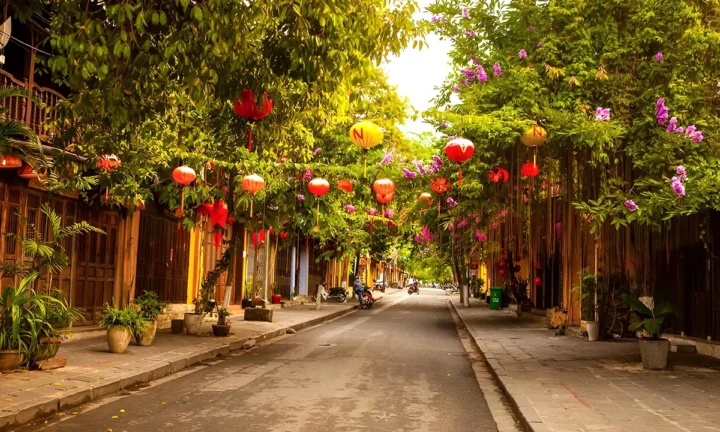
Hoi An
Located just 30 minutes from Da Nang, Hoi An is famous for its beautifully preserved Ancient Town, colorful lanterns, and rich cultural heritage. Despite its popularity, the town remains relatively affordable. Visitors can stay in charming boutique hotels or homestays, enjoy authentic local specialties such as cao lau and white rose dumplings, and explore the historic streets on foot or by bicycle. Many of Hoi An’s most memorable experiences are inexpensive, allowing travelers to enjoy the city’s unique atmosphere without spending heavily.
Hoi An – A charming UNESCO town famous for colorful lanterns, historic streets, and authentic Vietnamese culture.
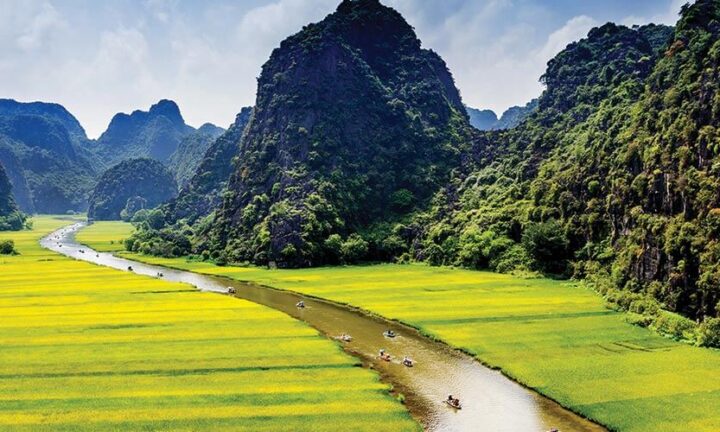
Ninh Binh
Often referred to as the “Ha Long Bay on land,” Ninh Binh is known for its breathtaking limestone mountains, peaceful rivers, and scenic countryside. Compared to more crowded tourist destinations, accommodation and dining are generally more affordable here. Popular attractions such as Trang An, Tam Coc, and Mua Cave offer incredible natural scenery at reasonable entrance fees, making Ninh Binh one of the best-value destinations in northern Vietnam.
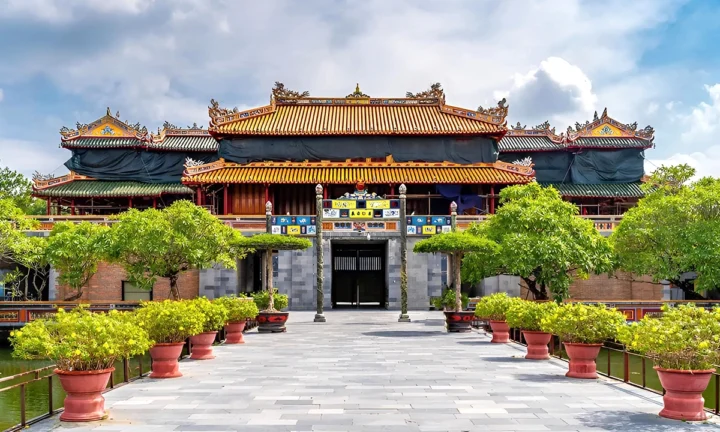
Hue, the former imperial capital of Vietnam, is another excellent destination for travelers on a budget. The city is home to historic landmarks such as the Imperial City, royal tombs, and ancient pagodas, many of which can be visited with low-cost entrance tickets. Hotels, local restaurants, and transportation are also reasonably priced, allowing visitors to experience Vietnam’s rich history and culture without stretching their budget.
Hue – Explore Vietnam’s imperial heritage through ancient citadels, royal tombs, and timeless architecture.
Phu Quoc
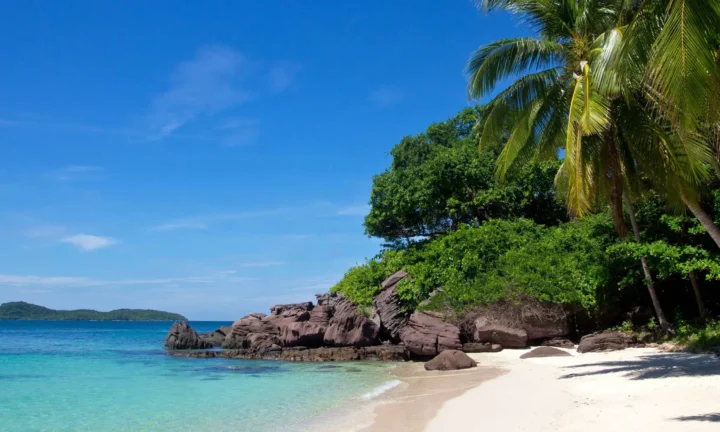
Although known for its tropical beaches and luxury resorts, Phu Quoc also offers plenty of affordable travel options. Budget hotels, guesthouses, and local seafood restaurants are widely available, while attractions such as Sao Beach, local fishing villages, and night markets can be enjoyed without spending much. Travelers who book flights and accommodation in advance can experience this island paradise at surprisingly reasonable prices.
Phu Quoc – Relax on white-sand beaches, enjoy fresh seafood, and experience Vietnam’s tropical island paradise.
Quy Nhon
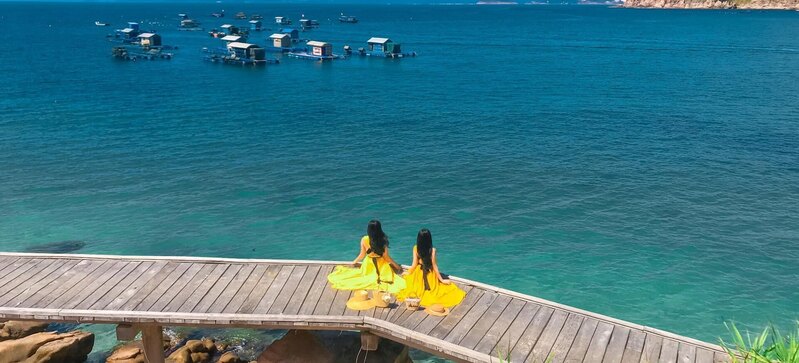
For those looking to escape the crowds, Quy Nhon is one of Vietnam’s hidden gems. This coastal city features beautiful beaches, fresh seafood, and a relaxed atmosphere at prices that are noticeably lower than more established beach destinations. Accommodation is affordable, and visitors can enjoy pristine coastlines, local markets, and nearby cultural sites while keeping daily expenses low.
Whether you prefer vibrant cities, historic towns, mountain landscapes, or tropical beaches, these destinations demonstrate why Vietnam is considered one of the best-value countries in Southeast Asia. By choosing the right places to visit, travelers can enjoy high-quality experiences while making every dollar of their budget go further.
Quy Nhon – A hidden coastal gem with pristine beaches, fresh seafood, and a peaceful local atmosphere.
Common Questions About Traveling Vietnam on a Budget
How Much Money Do I Need for 7 Days in Vietnam?
The amount of money you need for a 7-day trip to Vietnam depends on your travel style, preferred destinations, and activities. Backpackers can comfortably travel on around $250–350, while budget travelers usually spend between $350–600. If you prefer staying in 3–4 star hotels, joining guided tours, and enjoying quality restaurants, a budget of $700–1,000 is generally sufficient. Luxury travelers, however, may spend well over $1,500 in a week.
Typical daily expenses include accommodation, food, transportation, entrance tickets, and optional tours. Vietnam remains one of Southeast Asia’s most affordable destinations, making it possible to enjoy a memorable vacation without spending a fortune.
Average Daily Budget
Travel Style
Daily Budget
Backpacker
$30–50
Budget Traveler
$50–80
Mid-Range Traveler
$90–140
Luxury Traveler
$200+
How Much Does a 1 Week Trip to Vietnam Cost?
A one-week trip to Vietnam typically costs anywhere from $300 to $1,500+, depending on your travel preferences. Budget-conscious travelers who stay in hostels and eat local food can spend less than $400, while mid-range visitors usually spend $700–1,000. Travelers seeking luxury accommodations and private experiences should expect to budget $1,500 or more.
The total cost generally includes:
Accommodation
Meals and drinks
Local transportation
Domestic flights (if needed)
Tours and attractions
Travel insurance
Shopping and souvenirs
For most visitors, $1,000 is enough to enjoy a comfortable 7-day vacation without worrying about daily expenses.
Is $1000 USD a Good Salary in Vietnam?
Yes. A monthly salary of $1,000 USD is considered above average in Vietnam, especially outside major cities such as Ho Chi Minh City and Hanoi.
For local residents, this income can cover:
Comfortable apartment rental
Utilities and internet
Daily meals
Transportation
Entertainment
Personal savings
However, for expatriates living in premium districts or international lifestyles, $1,000 per month may feel more limited, particularly if paying higher rent or international school fees.
Approximate monthly expenses:
Expense
Average Cost
Rent
$250–500
Food
$150–250
Transportation
$50–100
Utilities
$50–100
Entertainment
$100–200
Is $2000 Enough for 2 Weeks in Vietnam?
Absolutely. $2,000 is more than enough for most travelers spending two weeks in Vietnam.
With this budget, you can comfortably:
Stay in quality 3–4 star hotels
Take domestic flights
Visit multiple destinations
Join guided day tours
Enjoy seafood and local specialties
Experience activities such as Halong Bay cruises or Mekong Delta tours
A sample itinerary could include:
3 days in Hanoi
2 days in Halong Bay
3 days in Da Nang & Hoi An
2 days in Hue
4 days in Ho Chi Minh City & Mekong Delta
Even after transportation, accommodation, and sightseeing, many travelers still have room for shopping or upgrading parts of their trip.
Is Vietnam Expensive for Tourists?
No, Vietnam is considered one of the most affordable travel destinations in Southeast Asia. Compared to countries like Japan, South Korea, or Singapore, travelers can enjoy excellent value for money. Budget travelers can comfortably spend $30–50 per day, while mid-range visitors often find $80–150 per day sufficient for quality hotels, local transportation, delicious meals, and sightseeing. Even luxury experiences, such as five-star resorts or private tours, are generally more affordable than in many Western countries. Whether you’re traveling on a tight budget or looking for a premium vacation, Vietnam offers options for every type of traveler.
Can I Travel Vietnam on $50 a Day?
Yes. Traveling Vietnam on $50 per day is realistic for most budget-conscious travelers. This budget typically covers a comfortable guesthouse or hostel, three local meals, transportation using buses or Grab, and entrance fees to several attractions. Many popular cities, including Da Nang, Hoi An, Hue, and Ninh Binh, are especially budget-friendly. By choosing local restaurants, public transportation, and affordable accommodations, visitors can enjoy an authentic Vietnamese experience without overspending.
How Much Cash Should I Bring to Vietnam?
The amount of cash you should bring depends on your travel style, but most visitors only need enough for daily expenses such as street food, local transportation, and small purchases. Bringing $100–300 in cash is usually sufficient for a week if you also use debit or credit cards. Vietnam’s official currency is the Vietnamese Dong (VND), and cash is widely accepted in local markets, family-owned restaurants, and smaller shops. Major cities also have plenty of ATMs, making it easy to withdraw additional cash whenever needed.
Is Vietnam Cheaper Than Thailand?
In general, Vietnam is slightly cheaper than Thailand, especially when it comes to accommodation, local food, and transportation. Street food meals in Vietnam often cost less than similar dishes in Thailand, while budget hotels and domestic travel are also more affordable. Tourist attractions and guided tours are competitively priced, allowing visitors to experience more while spending less. However, prices vary depending on the destination and travel season. Overall, travelers looking for excellent value often consider Vietnam one of the best budget destinations in Asia.
How Much Does Food Cost in Vietnam?
Food in Vietnam is both delicious and inexpensive. A typical street food meal usually costs between $2 and $5, while dining at casual local restaurants ranges from $5 to $10 per person. International restaurants and upscale dining establishments generally charge $15–30 or more per meal. Fresh seafood is also reasonably priced, especially in coastal cities such as Da Nang, Nha Trang, and Phu Quoc. Because of these affordable prices, food is rarely one of the biggest expenses during a trip to Vietnam.
How Much Is a Hotel in Vietnam per Night?
Hotel prices in Vietnam vary depending on location and comfort level. Budget hotels and hostels typically cost $15–30 per night, while quality three- and four-star hotels usually range from $40–100. Luxury five-star hotels and beachfront resorts often start at $120 per night and can exceed $300 during peak travel seasons. Booking in advance and traveling during the low season can help visitors find even better deals, especially in popular destinations like Hanoi, Ho Chi Minh City, and Da Nang.
Can You Use Credit Cards in Vietnam?
Yes. Credit cards are widely accepted at hotels, shopping malls, supermarkets, and many restaurants in major cities. Visa and Mastercard are the most commonly accepted cards, while American Express may have more limited acceptance. However, cash is still preferred at local markets, street food vendors, taxis, and smaller businesses. For convenience, many travelers use a combination of credit cards for larger purchases and Vietnamese Dong for everyday expenses.
Should I Exchange Money Before Traveling to Vietnam?
Exchanging a small amount of money before arriving in Vietnam can be helpful for immediate expenses such as transportation from the airport. However, many travelers find better exchange rates at Vietnamese banks, authorized exchange counters, or ATMs after arrival. It’s generally recommended to avoid exchanging large amounts of cash at airports due to less competitive rates. Using an international debit card to withdraw Vietnamese Dong is often one of the most convenient options.
Is Tipping Expected in Vietnam?
Tipping is not mandatory in Vietnam, but it is always appreciated for good service. In local restaurants and cafés, tipping is uncommon, although many visitors leave small amounts as a gesture of thanks. For tour guides, drivers, hotel staff, and spa therapists, tips are more common, especially in tourist areas. A tip of 5–10% or a few dollars is generally considered generous and can be a meaningful way to show appreciation for excellent service.
What’s the Cheapest City to Visit in Vietnam?
Several Vietnamese cities are known for being exceptionally affordable, but Hue, Quy Nhon, Ninh Binh, and Da Nang consistently rank among the best value destinations. These cities offer inexpensive accommodation, affordable local food, and low transportation costs while still providing beautiful scenery and rich cultural experiences. Hue is famous for its historical attractions, Ninh Binh for its stunning limestone landscapes, Da Nang for its beaches, and Quy Nhon for its peaceful coastline. Travelers looking to maximize their budget will find these destinations ideal for an affordable vacation.
Final Thoughts
So, is $1000 enough for a week in Vietnam? For most travelers, the answer is absolutely yes.
With careful planning, a $1000 budget can comfortably cover accommodation, meals, transportation, and several tours. Vietnam’s affordability makes it possible to enjoy incredible experiences—from exploring ancient towns and relaxing on tropical beaches to tasting world-famous street food—without overspending. To make the most of your trip, many travelers also choose to book tours with Vietnam Adventure, a reputable tour company known for organizing well-structured itineraries and authentic travel experiences across the country.
Whether you’re a backpacker, a solo traveler, or a couple looking for a memorable getaway, Vietnam offers exceptional value for money. In fact, many visitors are surprised by how far their budget can go, especially when joining guided experiences through Vietnam Adventure, which helps travelers explore Vietnam’s highlights in a safe, convenient, and well-organized way.
Phan Tra is the CEO of Vietnam Adventure Tours, a travel company established in 2012. With extensive experience in the tourism and premium travel sector, he has led the company to become a trusted provider of experiential tours, particularly luxury cruises and high-end travel services in Vietnam.